Rat control: signs, rules, costs and how it is done
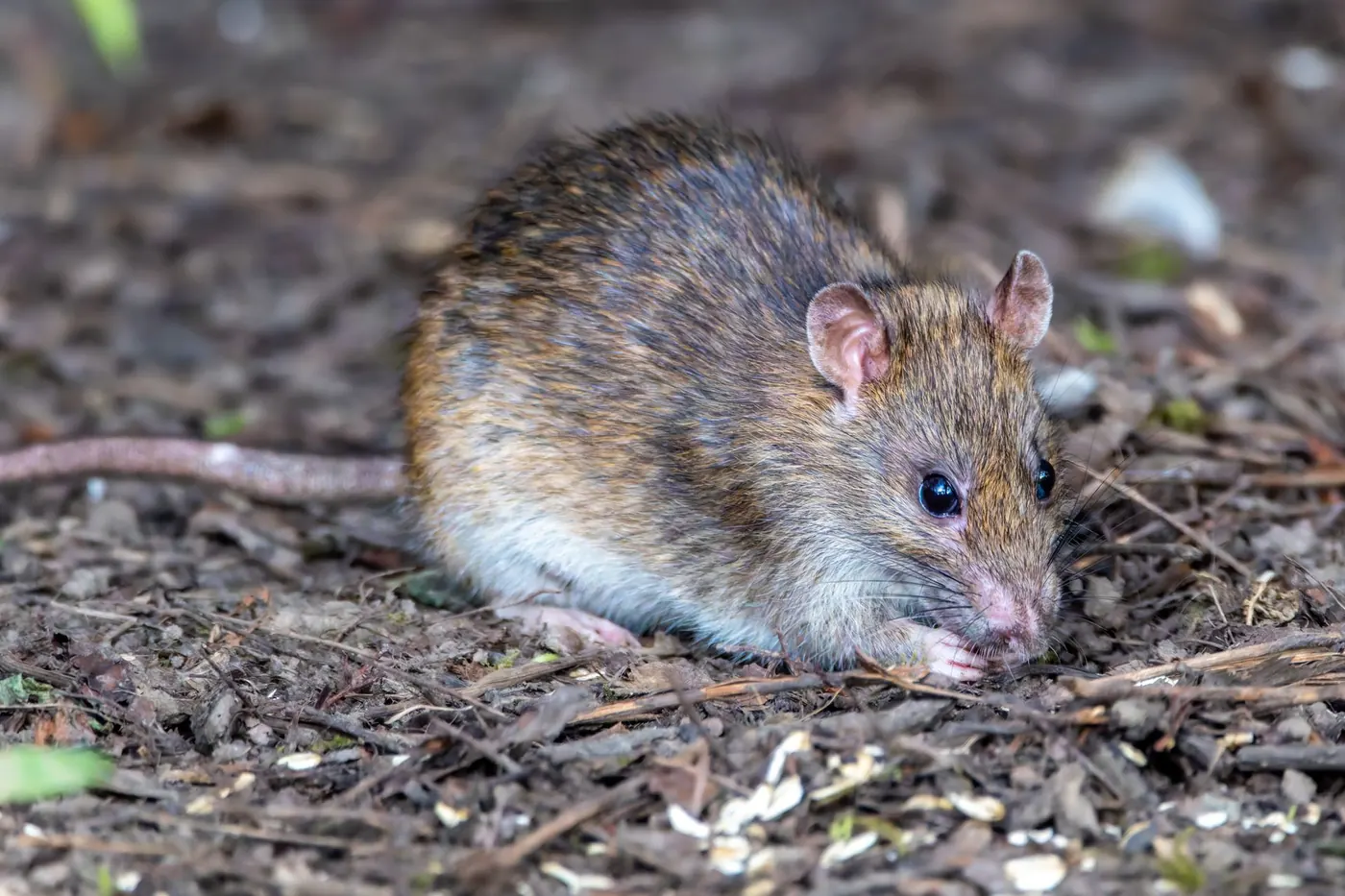
Rat control in the Netherlands is bound by strict rules, and that often makes it confusing for residents. The brown rat mainly lives outdoors, in the sewer, under sheds and along ditches, but looks for warmth and food indoors in autumn. Rats gnaw on cables and pipes, contaminate food and can transmit diseases. A fast and thorough approach is therefore important, especially if you see them indoors.
In this guide you will read how to recognise rats, what you are allowed to do yourself and when professional rat control is needed. You will find a cost indication for 2026, an explanation of the IPM method that pest controllers must follow and tips to keep rats out of your home and garden. To hire a rat catcher right away, see the top 3 in your city.
Recognising rats: signs in the house and garden
Rats are shy and mainly active at night, so you usually see signs before the animals themselves. Rat droppings are 1 to 2 centimetres long, dark and spindle-shaped; mouse droppings are much smaller. Gnaw marks on wood, plastic, cables and food packaging are a clear sign. Along walls, greasy dark smear marks appear where rats keep using the same route. Outdoors you will find burrows with an opening of 6 to 9 centimetres near sheds, compost heaps, chicken coops and under decking. You may hear scratching in the crawl space, the cavity wall or under the floor. If you see rats during the day, the population is usually already large.
Rat control: DIY or a professional, and what is allowed?
As a private individual you may control rats with snap traps and by removing food and shelter. Rat poison for consumers is heavily restricted and outdoors you may not use it at all. Professional biocides may only be used by pest controllers with a professional competence certificate (KPMB), and for the use of rodenticides outdoors an IPM certification (IPM Knaagdierbeheersing, the Dutch rodent management scheme) is also mandatory. You can try traps for one or two rats in the shed. If you see rats indoors, hear them in the crawl space or find droppings in several places, professional control is the better choice: a pest controller finds the entry routes, tackles the cause and may use products you are not allowed to. Note: the council often only controls rats in public spaces, not on your own property.
How a rat catcher works: the IPM approach step by step
Professional rat control starts with an inspection of the house, garden and crawl space. The pest controller looks for runs, burrows and entry points and checks whether the sewer plays a role; sometimes that needs a camera inspection. Then the IPM approach follows: first proofing and removing food and shelter, then traps, and only if that is not enough, poison in sealed bait boxes. The pest controller usually returns 2 to 3 times to check traps, remove dead animals and assess the results. You receive a report with the causes found and advice, such as sealing holes or repairing a broken sewer pipe. The job is only closed once there has been no activity for a few weeks.
Rat control costs: what you pay in 2026
As an indication, professional rat control in 2026 costs €175 to €450 for a programme of several visits, including VAT. If rats are suspected of entering via the sewer, a sewer inspection or camera inspection of around €100 to €250 is added. Proofing work, such as sealing holes and fitting grilles, is usually quoted separately. Outdoors, only a pest controller with IPM certification may use rodenticides, which can affect the price slightly. The exact cost depends on the size of your home, the scale of the infestation and the number of visits. Ask in advance what is included: follow-up checks, removal of dead animals and guarantees differ per company.
Price indication 2026 per pest
| Pest | Indication | Notes |
|---|---|---|
| Rat control programme (2 to 3 visits) | €175 to €450 | Including VAT, outdoors only with IPM certification |
| Sewer or camera inspection | €100 to €250 | Charged separately |
| Proofing (sealing holes, fitting grilles) | from €100 | Usually quoted separately |
| Inspection and advice only | €50 to €95 | Without treatment |
Indications for private customers, including VAT, based on public rates in 2026. The actual price depends on severity, accessibility and the number of visits. Always ask for a fixed price in advance.
Preventing rats: keeping them out of your home and garden
Rats are drawn to food, water and shelter. Store bird seed, chicken feed and pet food in sealed containers and clear away fallen fruit and food scraps. Do not put food on the compost heap and keep bins properly closed. Seal holes larger than 1 centimetre with steel wool, metal mesh or cement; rats gnaw through wood and plastic. Check the crawl space, pipe entry points and ventilation grilles. Keep the garden tidy and do not leave piles of wood or clutter against the house wall. Have broken sewer pipes and vents repaired, because that is a common entry route. If you see signs in the neighbourhood, report it to the council and talk to your neighbours, because rats are best tackled together.