Bed bug control: how to spot them, costs and treatment
Bed bug control is one of the hardest jobs in pest control. The insects are tiny, hide in seams and cracks during the day and hitch a ride in suitcases, second-hand furniture and clothing. Because of travel and second-hand goods, bed bugs turn up everywhere, from student rooms to hotels. An infestation says nothing about hygiene: bed bugs are just as happy in a clean house as in a hotel.
In this guide you will read how to recognise bed bugs, why DIY treatment usually fails, how a professional works and roughly what a treatment costs in 2026. You will also get tips to avoid bringing them home again. If you need help right away, see the top 3 pest controllers in your city.
Recognising bed bugs: bites, spots and hiding places
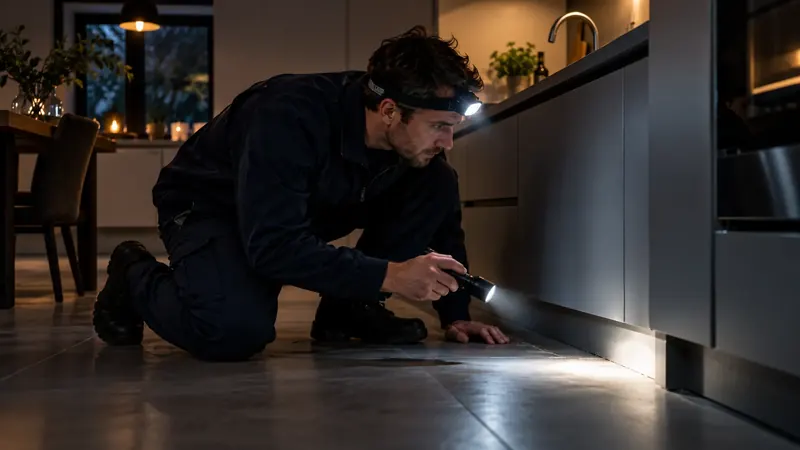
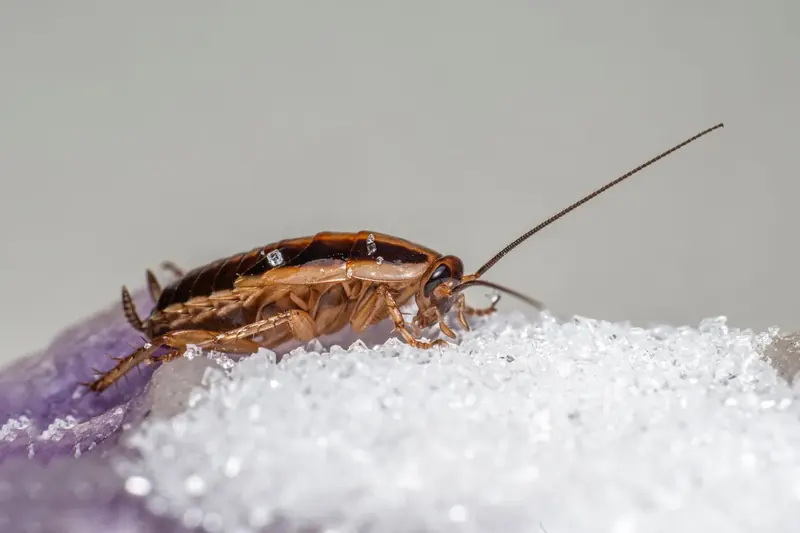
The first clue is often a row of itchy bumps on your arms, neck or legs, discovered in the morning. Not everyone reacts to the bites, so look for other signs as well. Small dark dots (droppings) on the mattress, the mattress seams or the bed frame, rust-brown blood spots on the sheet and empty, translucent skins shed by nymphs all point to bed bugs. An adult bed bug is about 5 millimetres long, reddish brown and flat, roughly the size of an apple pip. You will find them in mattress seams, behind the headboard, in the slats of the bed base, behind skirting boards and sockets and in curtain hems. With a larger infestation there is a sweet, musty smell in the room. Check with a torch and a bank card to open up the seams.
Bed bug control: DIY or call a professional?
DIY bed bug control rarely works. Shop-bought sprays only kill the insects you actually hit, while the eggs and hidden bugs survive, so the infestation often spreads to other rooms. What you can do yourself: wash bedding and clothes at 60 degrees, freeze small items for 24 hours, vacuum the mattress and bed frame thoroughly and put the vacuum bag straight into a sealed bag outside. This reduces the numbers but does not solve the problem, so call a professional at any suspicion of bed bugs. In the Netherlands, professional biocides may only be used by pest controllers with a professional competence certificate (KPMB), and they also have access to heat treatment, which deals with the eggs in one go.
How a professional bed bug treatment works
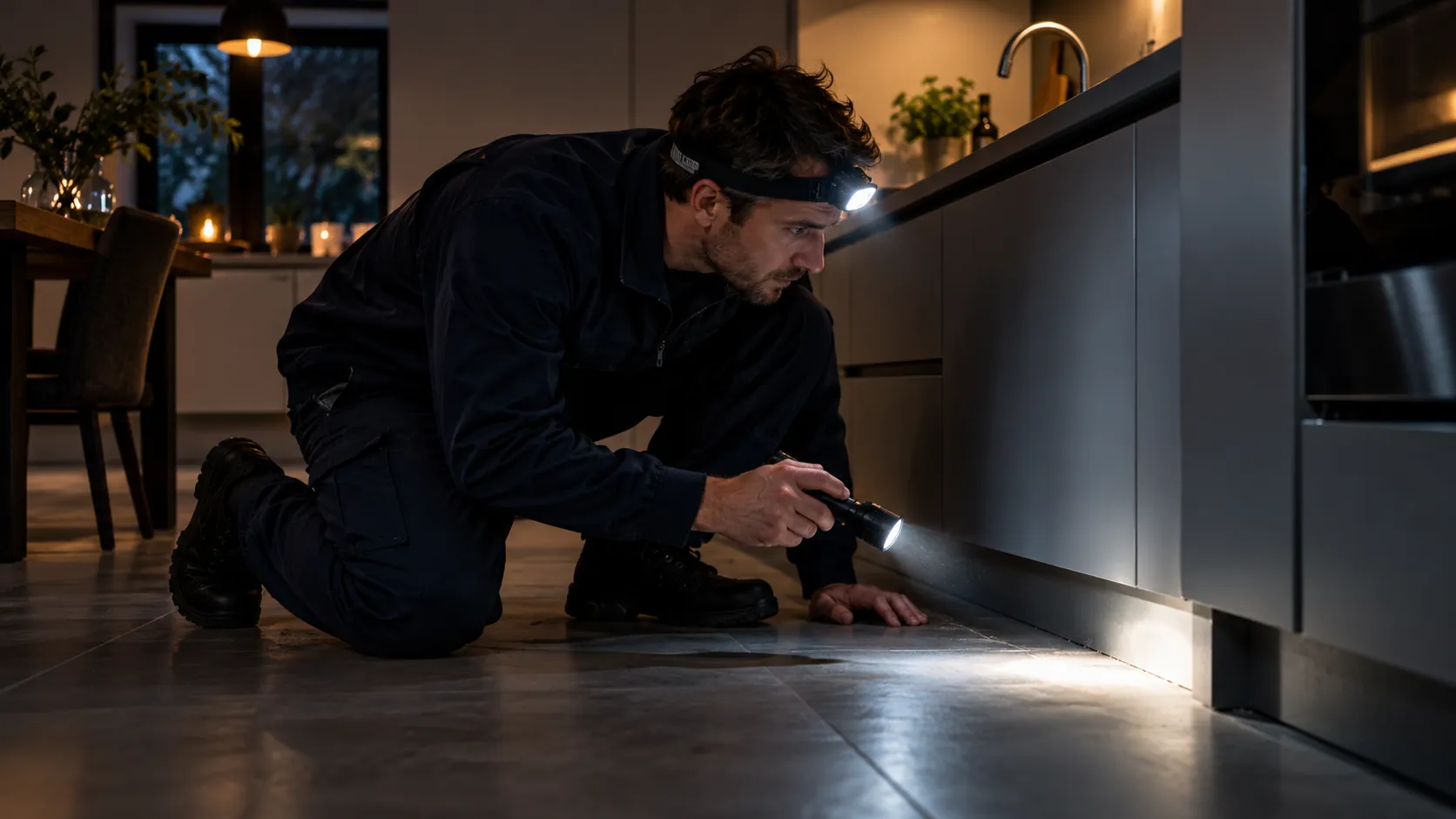
A professional starts with an inspection: which rooms are infested, how badly and where are the hiding places? Sometimes a detection dog is used. Then you choose an approach together. With a chemical treatment, seams, cracks, the bed frame and skirting boards are treated with a product that keeps working; this is repeated 2 to 3 times at intervals of about two weeks, because the eggs do not die immediately. With a heat treatment, the whole room is heated to above 50 degrees for several hours, killing bugs and eggs in one go. A good pest controller follows IPM: inspect first, treat as precisely as possible and then check that the infestation really is gone. You receive instructions in advance, for example which items to wash and how to prepare the room.
Bed bug control costs: what you pay in 2026
As an indication, bed bug control in 2026 costs €350 to €900 per room for a chemical treatment in 2 to 3 rounds, including VAT. A heat treatment is more expensive, usually €600 to €1,500 per room, but is often finished in one day and also kills the eggs. If you want certainty about the extent of the infestation, an inspection with a detection dog costs around €150 to €300. The price depends on the number of rooms, the severity of the infestation and the amount of belongings in the room. Always ask for a quote stating the number of treatments, the guarantee and what you need to prepare. Cheap one-off treatments sound attractive but often lead to a recurring infestation and higher costs overall.
Price indication 2026 per pest
| Pest | Indication | Notes |
|---|---|---|
| Chemical treatment (2 to 3 rounds) | €350 to €900 | Per room, including VAT |
| Heat treatment | €600 to €1,500 | Per room, usually completed in one day |
| Inspection with detection dog | €150 to €300 | Confirms the extent of the infestation |
Indications for private customers, including VAT, based on public rates in 2026. The actual price depends on severity, accessibility and the number of visits. Always ask for a fixed price in advance.
Preventing bed bugs: how to avoid bringing them home
In hotels and holiday homes, check the mattress seams and headboard before unpacking your suitcase, and put the suitcase on a rack rather than the bed or floor. Once home, wash your clothes at 60 degrees straight away and vacuum the suitcase. Inspect second-hand furniture, mattresses and clothing carefully before bringing them inside. A fully enclosing mattress cover makes the bed less attractive and inspection easier. Keep the bedroom tidy, because clutter provides hiding places. If you live in a flat and neighbours have bed bugs, report it to the landlord or the owners' association so that several homes can be treated together.